
I spend a lot of time in my work as a therapist supporting women who’ve come for help with relationships and life situations that bring about unsettling amounts of stress, fear, and anxiety. Folks come in to explore how life has changed in unexpected ways, or how they themselves have changed. When what we thought would hold no longer feels certain, we often find ourselves grieving what we believed to be true and afraid of what comes next.
One of the things in Gestalt therapy that has always felt like a fit to me is its emphasis on awareness and our capacity for choice, and I love bringing this to the work I do. As we pay more attention to what's happening within us and around us, we can start to see and experience possibilities we couldn’t before. Though we can’t often control our circumstances or the outcomes, we can strengthen our sense of self and our ability to act in accordance with our values and our desired future. Hope, in this sense, is not simply a feeling that things will turn out well, but also something we practice through our attention and our doing.
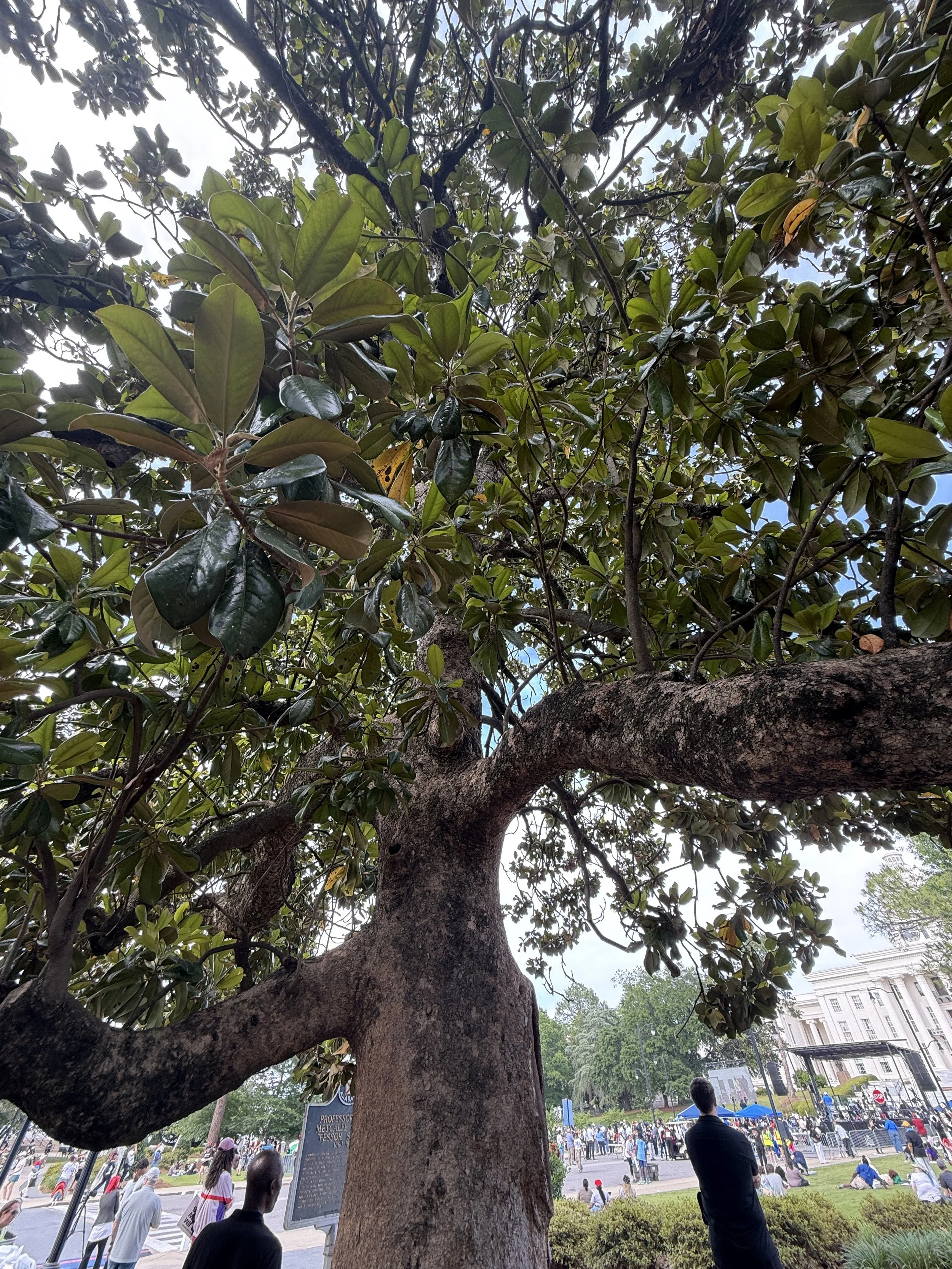
I've been reflecting on these themes in my own life as they relate to the larger stories unfolding around us. My latest field note, What the Magnolia Knows: On Hope, History, and the Work That Is Ours to Do, is a reflection on some of my own history and political awakening, and on the hope I’ve found through collective action, even amidst uncertainty and loss.
If you’re curious about counseling, I’d be honored to connect with you. I work with women who feel overwhelmed and off-balance, offering a compassionate, steady presence and joining as a collaborator to help you stay with what’s emerging in the moment and get curious about the deeper layers of your experience. Together, we experiment with small, meaningful changes that lead to different ways of being and moving through the world. My specialties include anxiety therapy, midlife growth and empowerment, and young adults and college/graduate students. You can contact me here.
Note: This blog is for educational and reflective purposes and does not constitute psychotherapy.