
Hope in Uncertain Times: Field Notes from a Nashville Counselor
I keep trying to write a piece about hope, and I keep getting stuck. I type just enough words to make a phrase or a sentence – a paragraph if I’m lucky. And then I type a few more and delete some and rearrange over and over and over until they mostly make sense. I pause and watch the cursor blink on the digital page, wondering what to say next. For many reasons at present, I find it hard to sit and focus, to say something with enough lightness and weight to meet the moment we’re in.
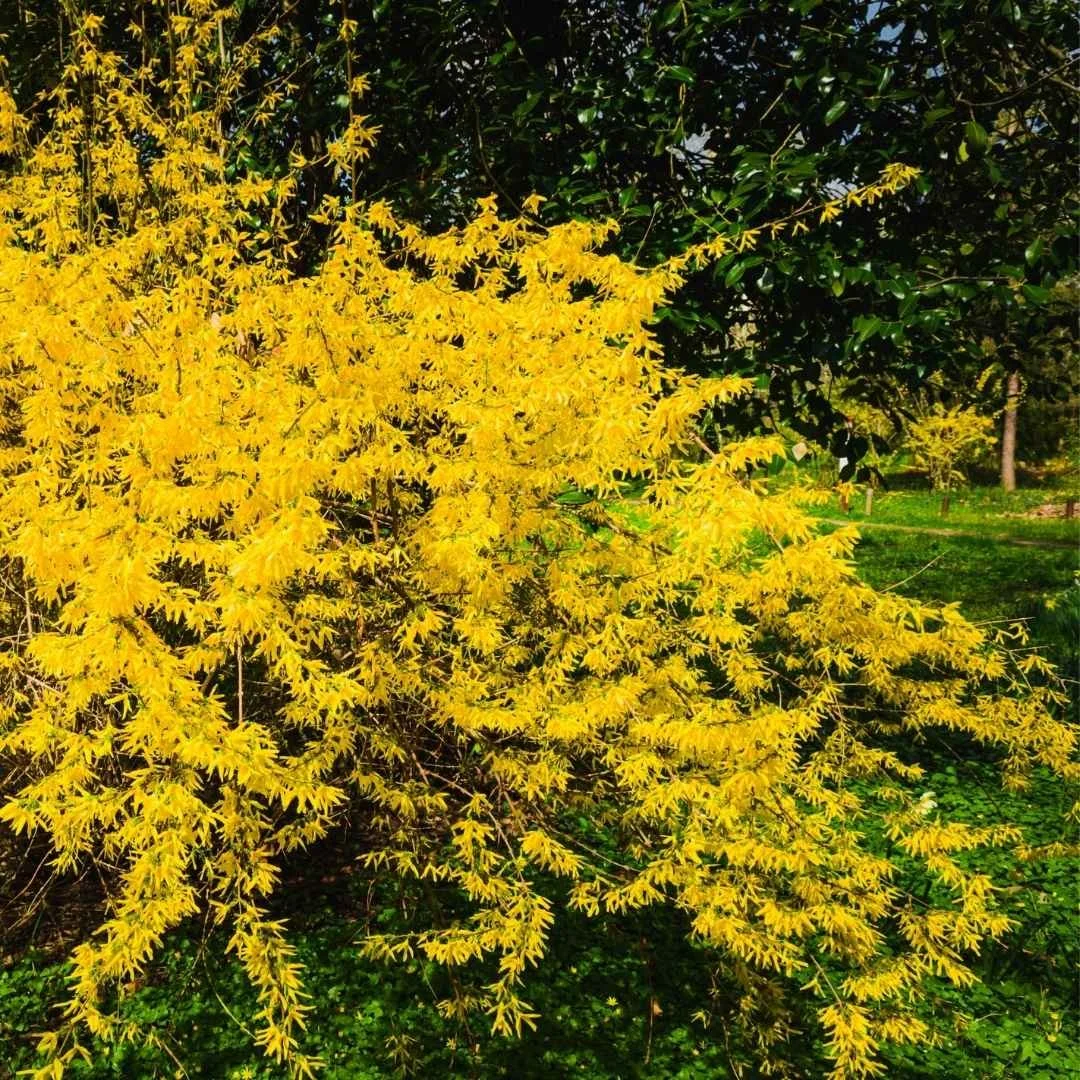
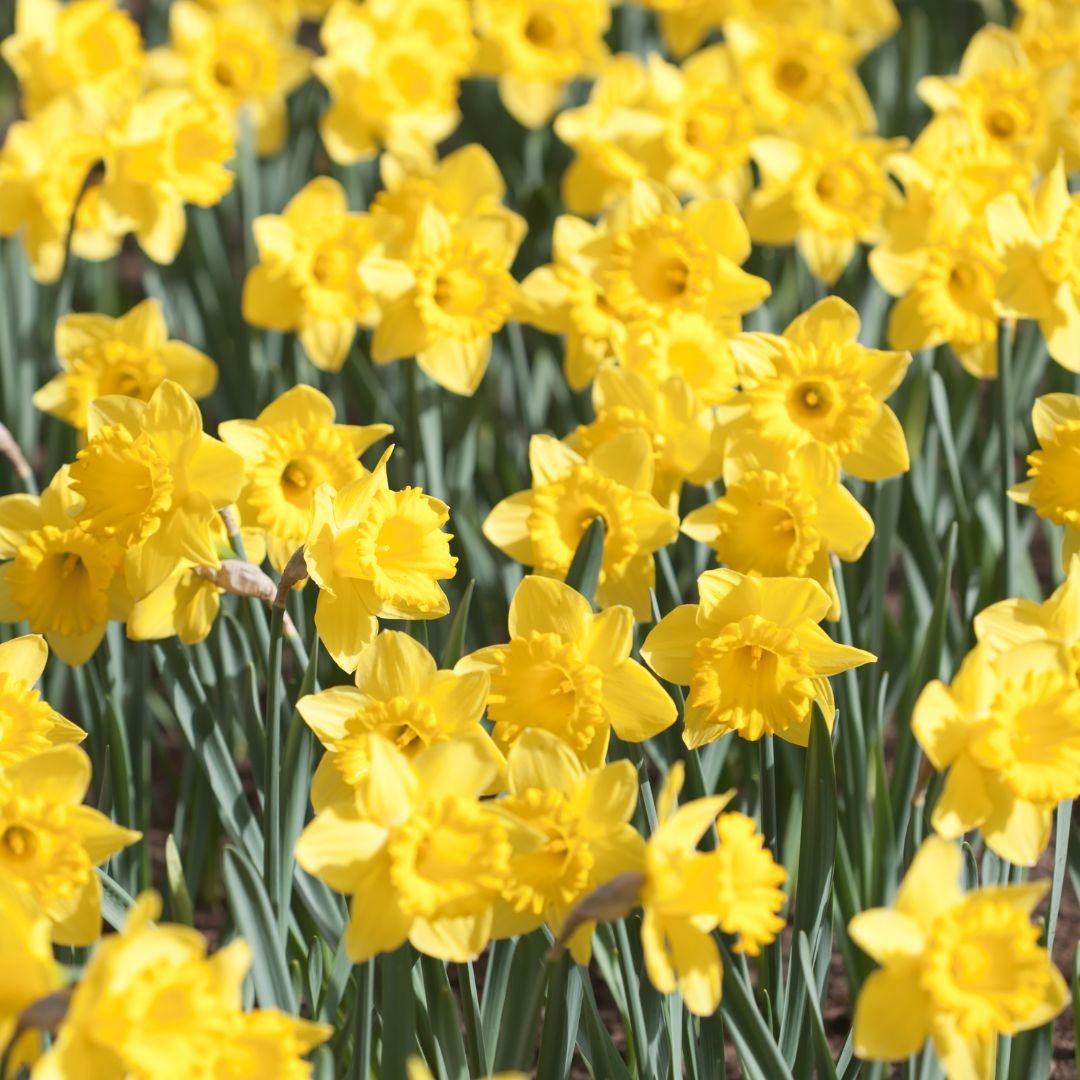
Last time I tried was mid-December, when the days were quite cold and gray and the sun was setting close to 4:30pm here in Nashville. I wrote a line about the supposed most wonderful time of the year, and then trailed off. Now it is mid-March, with spring on the horizon. The bright yellow blooms of the ever early forsythia and soon after daffodils have come and gone. Our clocks are an hour forward, having jumped ahead as we ask them to do in that arbitrary way that is both tangible and symbolic of our unnatural relationship with time.
Coming Back to Hope
I go back to hope. There’s so much to say, and so much that has already been said. But what harm could come from saying it again? Or should I ask what good? Maybe we need to keep saying it.
Many folks in my life are living with grief and loss, set alongside a myriad of expectations and images of how we’re supposed to live and be and feel in these days. This has been going on for quite some time. For more than a decade, many of us have felt an impending sense of doom or collapse, a growing uncertainty and fear about the way things look to be going. I understand it’s a privilege to have felt this way for “only” a decade or so, when others have been aware for a lifetime. I’m obviously older than I used to be, and paying more attention, but there are indications the pace of change in the world has accelerated.
Still I keep circling back. Years ago when I chose the word hope as a name for myself, I’d already encountered the work of writer, historian, and activist Rebecca Solnit, whose first book, Hope in the Dark (2016), helped me see that hope is more than simply a feeling or belief. Hope requires action. She writes: “Hope locates itself in the premises that we don't know what will happen and that in the spaciousness of uncertainty is room to act” (p. xiv). She notes that both pessimists and optimists are convinced of their own knowing, and that the insistence that something will or will not be leads to inaction. If I’m committed to the idea that there is no hope because “it’s already over” and “we’re screwed” and “nothing will ever change”, then I’m unlikely to take any action in any direction that would contribute to a different possibility, and I may very well help bring about the outcome I’m already convinced of. If on the other hand I’m committed to the idea that “all will be well” and “things will turn out fine in the end” and will just “work themselves out somehow”, then I’m also unlikely to take action in any direction that would contribute to the good that I believe in, and I may very well help bring about the outcome I never saw coming. Both of these perspectives hold some measure of truth while at the same time tell an incomplete story. The dire reality that the pessimists often see is useful, and so is the beautiful possibility that the optimists often see. We can combine them, or maybe hold both, to make a third way.
When Anxiety Wants Certainty
This third way is a maybe and holds at its core uncertainty. To return to Solnit’s words, “Hope locates itself in the premises that we don't know what will happen and that in the spaciousness of uncertainty is room to act” (p. xiv). None of us can actually predict the future. We can’t guarantee what is going to happen in any next moment, even if we have a good guess. It is the not knowing that makes space for action. Most folks don’t like this kind of uncertainty, and if anxiety is in the picture, the dislike or discomfort can be even stronger. Anxiety tends to want some kind of yes or no, and tends to land on the belief that the catastrophic is the all-but-certain outcome. Anxiety tends not to tolerate the tension of the in-between or the maybe, and it tends to discount the role that we ourselves have to play.
But we do have a role to play in creating the world we live in, both small and large. “We make the road by walking” the phrase goes*. Little by little, one foot in front of the other, one breath or conversation or movement at a time, we can effect change in our lives and our world. It’s easy when there’s some overarching loss to declare our efforts pointless and assert that nothing was gained, but this is hardly ever true and ignores what was gained from our efforts and energy. Solnit talks about this often in her work, and her latest book, The Beginning Comes After the End: Notes on a World of Change (2026), details many of the ways in which things are dramatically different now from how they used to be and makes the case again for actionable hope.
We may lose an election, or a court case, or a job, or a relationship, but our efforts may add to our internal images and stories of how the world could be different. We may share those images and stories with our loved ones and neighbors, adding to their sense of what is possible and their determination to help make it be so. We may preserve some part if not the whole – of a park or a river or a relationship – and that part is certainly worth using our energy to save. Our action is not for nothing.
A Practice of Hope
There’s not a no-risk option between inaction or action, but we do have choice. We have a voice and a body. We have relationships. We have resources, be they meager or grand. It is up to us, more than we sometimes believe. It is imperative that we move toward an ongoing practice of hope, joining with others along the way. We must consider how we want things to be, then take a small step, even as we embrace not knowing what will happen. We must do the same again and again. The result that we want? We make the road by walking. The life that we want? We make the road by walking. The world that we want? We make the road by walking.
*I first encountered the phrase “we make the road by walking” as the title of a book by Brian McLaren (I have not read this book, but highly recommend many of his others, in particular Life After Doom and Faith After Doubt). Both McLaren’s post and google search tells me the phrase was also the title of a book about education and social change by Myles Horton and Paulo Freire, and has roots in the poetry/philosophy of Antonio Machado and in Latin American liberation theology.
Lynnette Hope, LPC-MHSP, provides counseling in Nashville to help women who feel overwhelmed and off-balance find ease, clarity, and connection. She spent the first five years of her counseling career at a university counseling center, and since 2013 has been a self-employed owner of a solo counseling practice. She specializes in anxiety therapy, midlife growth and empowerment, and young adults and college/graduate students. You can learn more about her work here.